
Yes, rekeying your locks after moving into a NYC apartment is a smart first move, and for most renters it is the right one. When you take the keys, you have no way of knowing how many copies are still out there from the last tenant, the broker, cleaners, or friends who never gave theirs back. Rekeying resets the lock so every one of those old keys stops working, usually without replacing the hardware. If you would rather compare your options first, our guide on rekeying vs changing locks breaks down when each one makes sense, and our rekeying service in NYC can handle it same day.
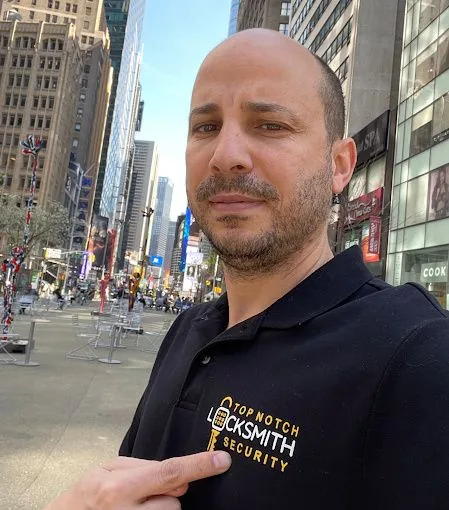
We are Top Notch Locksmith & Security NYC, a licensed team that rekeys apartments across all five boroughs. Summer is when we see the most move-in calls, because New York leases turn over fastest from late spring into midsummer and a lot of them start on the first of the month. Here is how to think it through before you settle in.
Why a NYC apartment turnover means strangers may still have your keys
A new apartment key is rarely a fresh key. In a busy building, that lock has often been handed from tenant to tenant for years, and any of those people could have copied the key for a few dollars. A stamp reading do not duplicate would not have stopped them either, as we cover in can a locksmith copy a “do not duplicate” key. The last renter may have given spares to a partner, a dog walker, or a neighbor and forgotten. The broker who showed the unit had a key, and the super keeps one too. None of that is sinister, but it means you, the person who matters most, have the least control over who can still open the door.
This is not about a crime wave. Burglary in the city has been trending down. It is about a simple fact of moving day: you cannot account for keys you never held. Rekeying closes that gap in one visit.
Rekey vs lock change: which one a new renter actually needs
Rekeying is enough for most new renters, and it costs less and takes less time than a full lock change. A locksmith changes the pins inside your existing lock so the old keys no longer fit, then cuts you a new key. You only need a full lock change when the hardware is the problem or you want to upgrade it. Here is the honest comparison of rekey vs a change of locks in a new apartment.
| Factor | Rekey | Lock change |
|---|---|---|
| Cost | Lower, charged per lock cylinder, which is the keyed barrel inside each lock | Higher, you pay for new hardware |
| Speed | Usually minutes per lock | Longer, especially with new hardware |
| Security | Old keys stop working | Old keys stop working, plus you can upgrade the lock |
| Best for | Locks in good shape, just changing who has a key | Worn, damaged, or basic locks you want to improve |
So which is right for you? If the locks work fine and you just want the old keys dead, rekey. If the deadbolt sticks, the door feels loose, or you want a high-security or keyless lock, put that money toward a lock change instead of paying twice. The mistake we fix most on real jobs is a renter who bought a cheap big-box lock, installed it crooked, and still had a door that would not latch. A clean rekey by a pro often beats a rushed swap.
What NYC tenants are allowed to do under Multiple Dwelling Law section 51-c
New York renters have a clear right here. Under New York Multiple Dwelling Law section 51-c, titled "Rights of Tenants to Install and Maintain Locks," you may install and keep your own lock on your apartment entrance door, in addition to the lock the landlord provides. The law sets two limits worth knowing (source: New York Multiple Dwelling Law section 51-c, current 2025 code):
- The extra lock can be no more than three inches in circumference.
- You must give the landlord or their agent a duplicate key if they ask for one. This duplicate-key rule matters: refusing a requested key can be treated as a lease violation.
A landlord cannot charge you extra rent for that additional lock. The rule covers most apartment renters, though it does not apply to public housing authority units, hotels, motels, or dorms. Rekeying the landlord’s existing lock is different from adding your own, so it is worth a quick note to your landlord or super either way. The rule runs the other direction too, and the limits on whether your landlord can change the locks in NYC are far tighter than most renters expect. The same rule decides whether you can put a smart lock on a NYC rental apartment, if keypad entry is what you actually want. Our residential locksmith team can walk you through what is allowed on your specific door.
Mailbox and building-entry keys most new renters forget
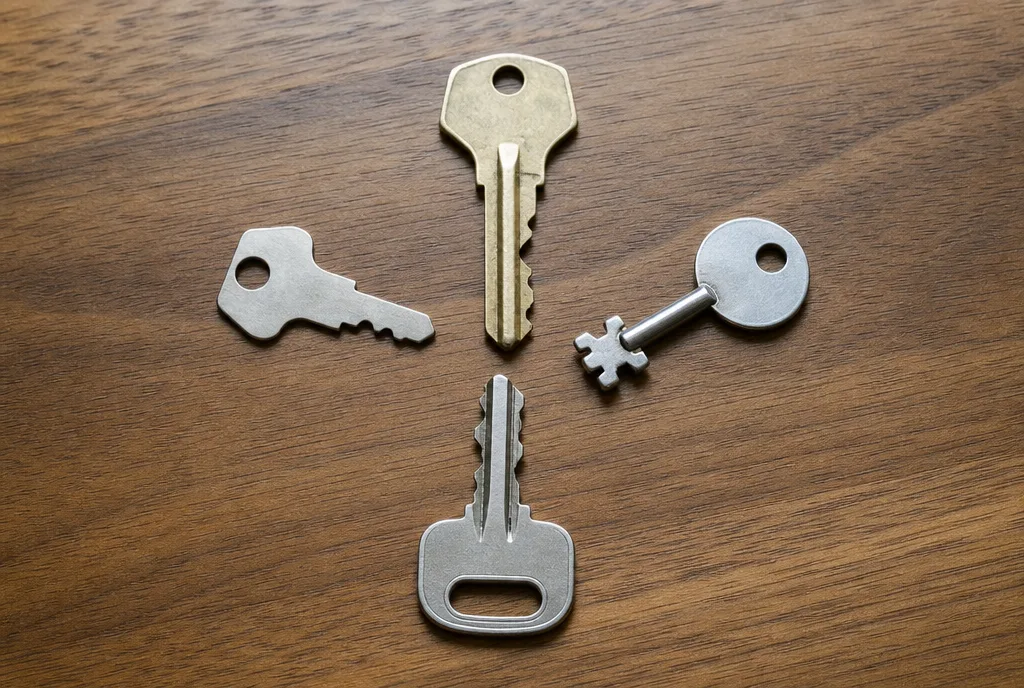
Your apartment door is not the only lock that changes hands. New renters almost always focus on the front door and forget the smaller keys that came on the same ring:
- Mailbox key. Often shared for years and easy for a former tenant to keep.
- Building or vestibule entry key. Sometimes a brass key an entire block seems to own.
- Laundry room, storage, or roof-door keys. Rarely tracked by anyone.
- Package or mailroom keys. Worth checking if your building uses them.
You usually cannot rekey a shared building or mailbox lock yourself, since those belong to the property. What you can do is ask the management office whether the mailbox lock was reset for your unit, and report any lost building key. Handle the locks that are yours on move-in and you are not chasing it later.
What to expect when a licensed NYC locksmith rekeys your apartment
A standard apartment rekey is quick, clean, and non-destructive. A licensed locksmith removes the lock cylinder, swaps the internal pins to match a new key, tests it, and hands you the working keys, all while your existing hardware stays on the door. For a typical apartment with one or two locks, plan on a short visit rather than an afternoon.
On cost, rekeying is billed per cylinder and runs less than a full lock change since you are not buying new hardware. Real figures move with the lock brand, the number of cylinders, and whether you call by day or overnight, so treat any number you read online as a rough estimate, not a quote. Before work begins, ask for a written, itemized price covering the service call, each cylinder, and any parts. A reputable NYC locksmith will give you that up front.
Key takeaways
Rekeying your locks after moving into a NYC apartment is a low-cost, same-day way to make sure old keys from past tenants, brokers, and supers no longer open your door. For most new renters a rekey is enough, while a full lock change makes sense only when the hardware is worn or you want to upgrade it. New York Multiple Dwelling Law section 51-c lets tenants add their own lock, within size limits, as long as the landlord gets a duplicate key on request. Do not forget the mailbox, building-entry, and shared keys that came on the ring. Always get a written, itemized quote before work starts, and use a licensed locksmith.
Just moved in and want it done today? Top Notch Locksmith & Security NYC rekeys apartments across all five boroughs, same day and 24/7. Call us and we will get your new place locked down to keys only you hold.
Frequently Asked Questions
Can a tenant change the locks in a NYC apartment?
Yes. Under New York Multiple Dwelling Law section 51-c, a tenant may install and keep their own lock on the apartment entrance door, in addition to the landlord’s lock, as long as it is no more than three inches in circumference. If the landlord asks, you must give them a duplicate key.
How much does rekeying a lock cost in NYC?
Rekeying is usually charged per cylinder and is typically cheaper than replacing the whole lock, since the existing hardware stays on the door. Prices vary by lock brand, number of cylinders, and time of day, so ask for a written, itemized quote before work starts.
Do landlords rekey between tenants in NYC?
Some do and some do not. New York does not require a landlord to rekey a unit between tenants, so ask yours directly. If you cannot confirm it was done, rekeying or changing the locks yourself is the reliable way to know old keys no longer work.
Is it better to rekey or change the locks in a new apartment?
For most new renters with locks in good shape, rekeying is enough, faster, and cheaper. Change the locks instead if the current ones are worn or damaged, or if you want to upgrade to a higher-security or keyless lock.
Do I have to give my landlord a key if I add my own lock?
Yes, if they ask. Multiple Dwelling Law section 51-c lets you add your own lock, but it also requires you to provide the landlord or their agent a duplicate key on request. Refusing can be treated as a violation of your lease.